
External links in blog posts help you build credibility, strengthen your arguments, and improve the overall usefulness of your content. They act as bridges to high‑quality sources, giving readers additional context and helping search engines understand that your post is connected to a broader, authoritative ecosystem.
Contents
Strong external linking practices also support topical authority and improve SEO performance by signalling trust and relevance. External links are simply hyperlinks that point to websites other than your own, and they can appear in text, images, or buttons.
How external links improve reader experience
Readers rely on external links to explore deeper information, verify claims, and access supporting resources. When you link to reputable sources, you help readers understand your topic more fully and give them confidence in your content.
Useful external links can:
- Provide definitions, research, or data
- Support claims with authoritative evidence
- Offer additional reading for curious users
- Connect readers to tools, guides, or references
A beginner’s guide to linking describes links as “signposts” that guide readers to exactly what they need next, helping them navigate your topic without confusion.
Why external links matter for SEO
External links in blog posts are a core part of SEO strategy. They help search engines evaluate the quality and relevance of your content by showing that you’re referencing trustworthy, authoritative sources. This strengthens your topical authority and improves your chances of ranking well.
SEO benefits include:
- Stronger trust signals for search engines
- Better contextual understanding of your topic
- Improved credibility through reputable citations
- Enhanced user engagement and lower bounce rates
A detailed guide on external linking explains that outbound links play a key role in building authority and boosting search rankings, making them essential for content creators.
Get a free blog health check!
Ensure your blog is in great shape, to rank high and attract readers, with BlogVitals.
Try BlogVitals free →No credit card required. Get insights in minutes.
Types of external links you can use
Not all external links serve the same purpose. Understanding the types helps you choose the right one for each situation.
Common types include:
- Dofollow links — pass authority to the linked page
- Nofollow links — signal that you’re not endorsing the linked page
- Citations and references — support claims with evidence
- Resource links — direct readers to tools, guides, or further reading
A breakdown of link types highlights that external links are simply links pointing to a different website, and they can be used strategically depending on your goals.
Best practices for adding external links
To get the most value from external links in blog posts, it’s important to use them intentionally and responsibly.
Strong practices include:
- Linking only to relevant, reputable sources
- Using clear, descriptive anchor text
- Opening external links in a new tab to keep readers on your site
- Using nofollow attributes when linking to untrusted or sponsored content
- Double‑checking links before publishing
- Auditing older posts to update broken or outdated links
A guide on outbound linking emphasises that external links add depth and authority to your posts while improving credibility and search performance.
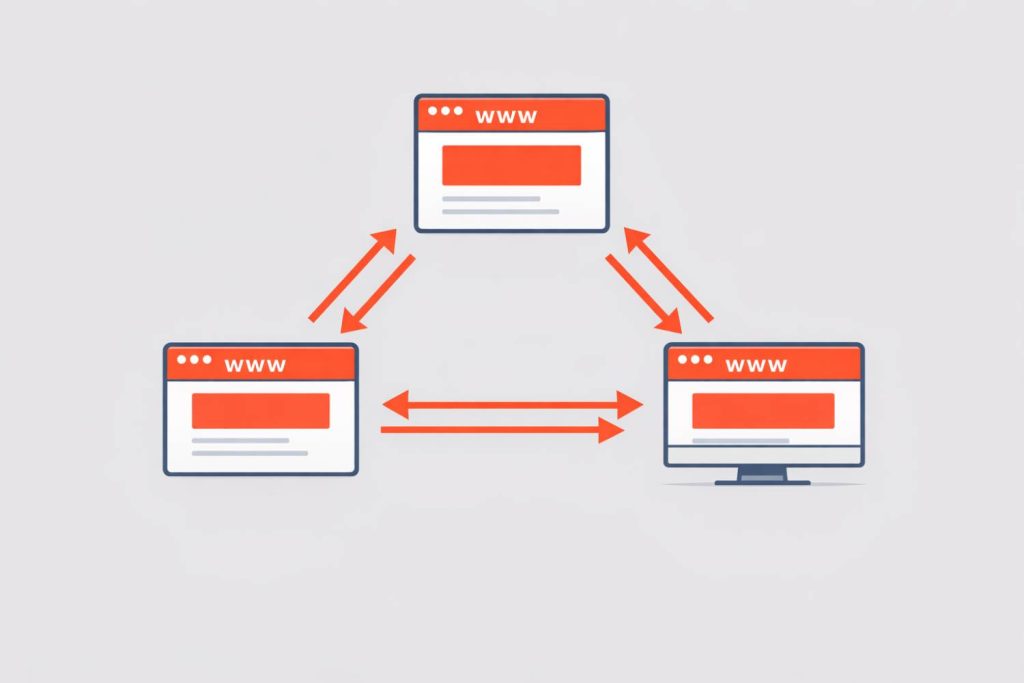
How external links support your content strategy
External links aren’t just SEO tools—they’re part of a broader content strategy that prioritises accuracy, transparency, and reader value.
When you consistently link to high‑quality sources, you position your blog as trustworthy and well‑researched.
They also help you:
- Build relationships with other creators
- Encourage reciprocal linking
- Strengthen your niche authority
- Improve the educational value of your posts
A comprehensive SEO guide notes that external links help build trust and authority with your audience while improving search rankings, making them essential for long‑term growth.
Conclusion
External links in blog posts elevate your content by adding credibility, improving SEO, and giving readers richer context. They show that your writing is grounded in research and connected to the wider conversation in your niche.