
ARIA labels help bloggers make their sites more accessible, more understandable, and more inclusive for readers who rely on assistive technologies.
Contents
They provide clear, meaningful descriptions for elements that may not have visible text, ensuring that screen readers can interpret the page accurately.
For bloggers who want to improve usability and meet modern accessibility expectations, ARIA labels are an essential part of responsible content design.
What ARIA labels are and how they work
ARIA labels come from the WAI‑ARIA specification, a framework designed to enhance HTML so that assistive technologies can understand interactive elements more clearly.
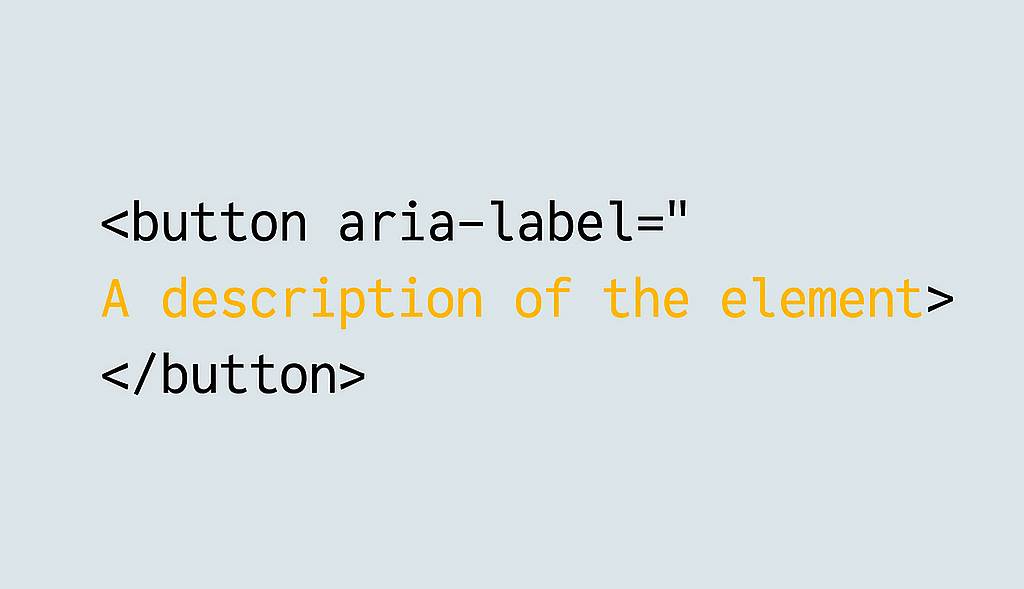
When a button, icon, or link does not contain visible text, an ARIA label provides a descriptive name that screen readers can announce.
This matters because many blog interfaces rely on icons—search icons, share icons, menu toggles, and more. Without ARIA labels, these elements may be read aloud as “button” or “link,” giving users no context.
Research on accessibility highlights this gap. One source explains that ARIA labels are crucial because they “enable the semantic definition of elements that HTML alone cannot adequately describe,” ensuring that assistive technologies can interpret their purpose correctly.
Why ARIA labels matter for accessibility
ARIA labels ensure that all readers, including those with visual impairments, can navigate your blog confidently.
When used correctly, they provide clarity and reduce confusion, making your content more inclusive.
Key accessibility benefits include:
- Clear descriptions for icons and interactive elements
- Better navigation for screen reader users
- More predictable behavior across devices and browsers
- A smoother, more intuitive experience for all readers
Another source notes that for the millions of people who rely on screen readers, proper ARIA implementation “is the difference between accessing your website and being completely excluded.”
Get a free blog health check!
Ensure your blog is in great shape, to rank high and attract readers, with BlogVitals.
Try BlogVitals free →No credit card required. Get insights in minutes.
How ARIA labels support SEO
While ARIA labels are primarily an accessibility tool, they also support SEO indirectly.
Search engines reward sites that offer strong user experience, and accessibility is part of that. When readers can navigate your blog more easily, engagement improves, and engagement signals help search engines understand the value of your content.
Some accessibility experts also point out that ARIA labels contribute to consistency and clarity, which can support structured content and improve how search engines interpret your site.
– aeldata.com
Where bloggers should use ARIA labels
ARIA labels are most useful in places where visual cues exist but text does not. Common examples include:
- Menu icons
- Search icons
- Social sharing buttons
- Close or expand icons
- Sliders, tabs, and interactive widgets
- Image links without captions
For bloggers, this often means reviewing theme elements and plugins to ensure that every interactive component has a meaningful label.
Common mistakes to avoid
ARIA labels are powerful, but incorrect use can create more problems than it solves. Some of the most common mistakes include:
- Adding ARIA labels where visible text already exists
- Using vague descriptions like “button” or “icon”
- Overusing ARIA attributes instead of relying on semantic HTML
- Applying ARIA roles that conflict with native HTML behavior
Experts warn that misusing ARIA can actually make accessibility worse, not better.
One source notes that many site owners “rush to add ARIA attributes thinking they’re improving accessibility, when in reality, incorrect implementation can make things worse.”
Bringing ARIA labels into your blogging workflow
A practical approach helps ensure ARIA labels are used effectively:
- Audit your blog for icons and interactive elements without text
- Add clear, descriptive ARIA labels where needed
- Use semantic HTML first and ARIA only when necessary
- Test your site with a screen reader to confirm accuracy
- Review theme updates and plugins for accessibility changes
This workflow helps you maintain a blog that is accessible, modern, and aligned with best practices.
Conclusion
ARIA labels are a small addition with a significant impact. They make your blog more inclusive, improve navigation for assistive technology users, and support a better overall experience.