
A readability score helps writers understand how easy or difficult their content is to read, and the Flesch Reading Ease test is one of the most widely used systems for measuring it.
Contents
Bloggers rely on readability scores to make sure their writing is clear, accessible, and aligned with the expectations of their audience.
When you understand how readability scoring works, you can shape your content in a way that improves comprehension, engagement, and overall user satisfaction.
– Wikipedia
What a readability score measures
A readability score evaluates how simple or complex a piece of writing is. The Flesch Reading Ease test calculates this score using two factors: average sentence length and average syllables per word.
Shorter sentences and simpler words lead to a higher score, which means the text is easier to read. Longer sentences and more complex vocabulary lower the score, indicating that the content requires more effort to understand.
This scoring system helps writers gauge whether their content matches the reading level of their intended audience. For bloggers, this is especially important because online readers tend to skim, scan, and prefer clarity over complexity.
Why readability scores matter for blogs
A strong readability score supports both user experience and search performance. Readers stay longer when content is easy to follow, and search engines reward content that keeps users engaged.
Key benefits include:
- Better comprehension — Clear writing helps readers absorb information quickly.
- Higher engagement — Readers are more likely to finish the article and explore more content.
- Improved accessibility — A wider range of readers can understand your message.
- Stronger SEO signals — Search engines notice when users stay on the page longer and interact more.
The Flesch Reading Ease test has been trusted for decades because it provides a simple, data‑driven way to measure clarity.
One article explains that the score “lets you know the approximate educational level a person will need to be able to read a particular text easily,” reinforcing its value for writers who want to reach broad audiences.
Get a free blog health check!
Ensure your blog is in great shape, to rank high and attract readers, with BlogVitals.
Try BlogVitals free →No credit card required. Get insights in minutes.
How readability scores influence writing style
When bloggers pay attention to readability scores, they naturally adopt a clearer writing style. This includes:
- Using shorter sentences
- Choosing simpler, more direct words
- Breaking up long paragraphs
- Avoiding unnecessary jargon
- Structuring content with clear headings and transitions
These adjustments make your writing more inviting and easier to digest. They also help readers stay focused, which improves the overall performance of your blog.
The connection between readability and audience expectations
Different audiences expect different levels of complexity. A technical audience may tolerate longer sentences and specialized vocabulary, while general readers prefer straightforward language. A readability score helps you match your writing to your audience’s needs.
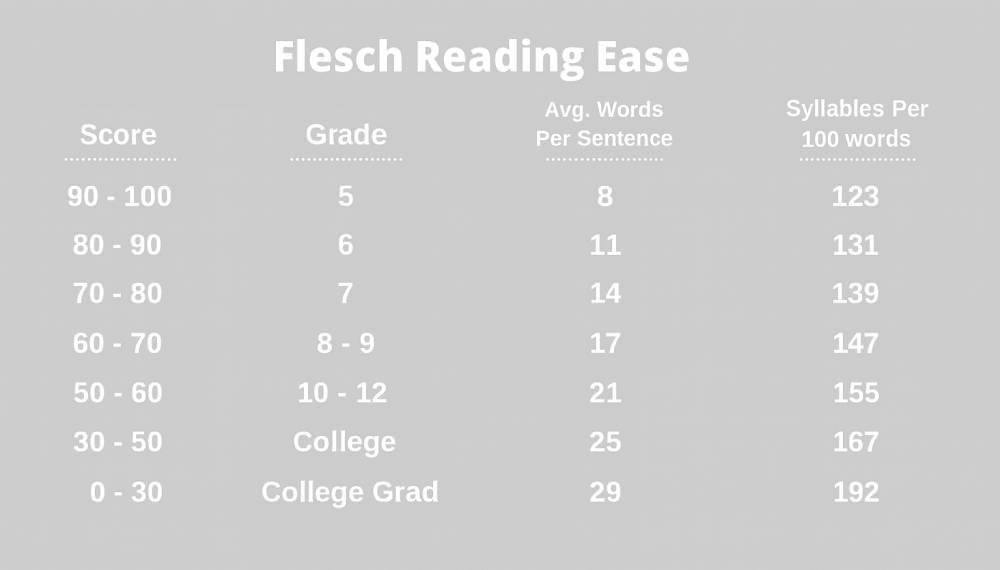
The Flesch‑Kincaid system even provides grade‑level equivalents, showing the approximate education level required to understand the text. This makes it easier to tailor your content to the right group.
How to use readability scores in your workflow
Incorporating readability scoring into your writing process is simple and effective. Many tools allow you to paste your text and instantly receive a readability score along with suggestions for improvement. These tools analyze sentence structure, vocabulary complexity, and overall clarity.
A practical workflow includes:
- Drafting your content naturally
- Checking the readability score
- Adjusting sentence length and word choice
- Re‑evaluating the score after edits
- Ensuring the final version aligns with your audience’s reading level
This approach helps you maintain a consistent voice while improving clarity across your blog.
Why readability matters more than ever
Online readers have limited time and attention. They expect content that is easy to understand, well‑structured, and free of unnecessary complexity.
A readability score gives you a reliable way to meet those expectations and create content that resonates.